
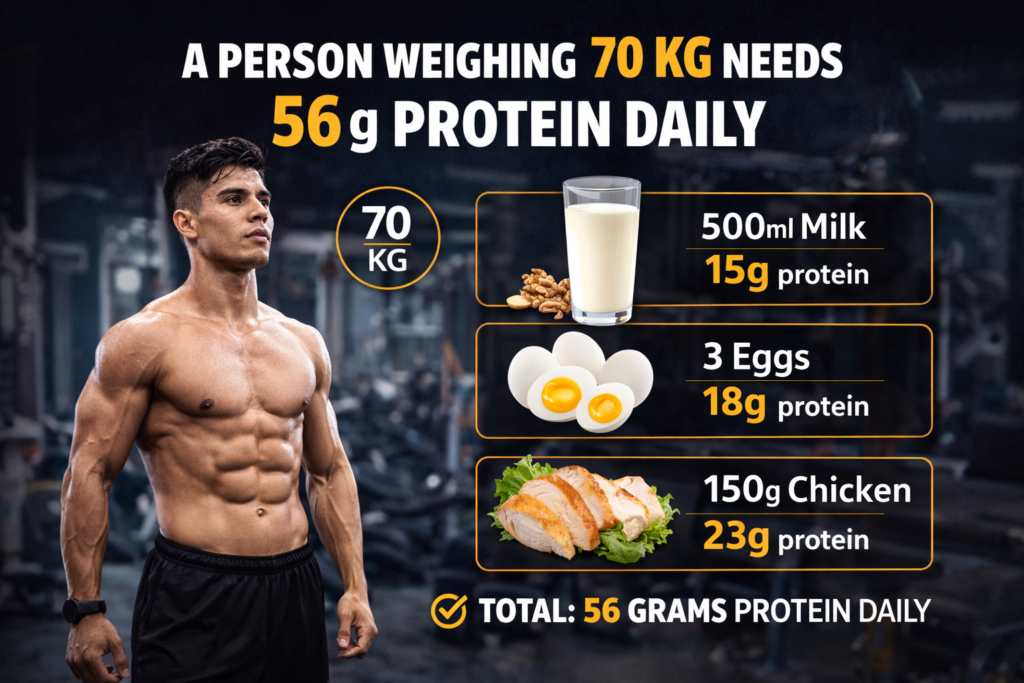
Protein is one of the most important nutrients for the human body. It plays a major role in building muscles, repairing tissues, producing hormones, improving immunity, and maintaining overall health. Whether your goal is muscle gain, weight loss, fitness improvement, or simply staying healthy, understanding your daily protein needs is essential.
One of the most common questions people ask is: “How much protein do I really need every day?” The answer depends on several factors, including age, body weight, activity level, and fitness goals. In this blog, we will break down everything you need to know about daily protein intake in a simple and practical way.
What is Protein?
Protein is a macronutrient made up of amino acids, which are often called the building blocks of the body. Your muscles, skin, hair, organs, and tissues all rely on protein to function properly.
When you exercise, especially strength training or gym workouts, your muscles experience tiny tears. Protein helps repair and rebuild these muscles stronger than before, leading to muscle growth and recovery.
Why is Protein Important?
Protein is essential for:
- Muscle growth and repair
- Faster workout recovery
- Fat loss and metabolism
- Healthy skin, hair, and nails
- Hormone and enzyme production
- Strong immune system
Without enough protein, your body may feel weak, recover slowly, and lose muscle mass over time.
How Much Protein Do You Need Daily?
The amount of protein you need depends on your lifestyle and goals.
1. For Normal Healthy Adults
A person who is not very active usually needs around:
- 0.8 grams of protein per kilogram of body weight
For example:
- A person weighing 70 kg needs about 56 grams of protein daily.
This amount is enough for basic body functions and maintenance.
2. For Gym Beginners and Active People
If you exercise regularly, your body requires more protein for muscle recovery and growth.
Experts generally recommend:
- 1.2 to 2.0 grams of protein per kilogram of body weight
For example:
- A 70 kg gym-goer may need around 84–140 grams of protein daily.
The exact amount depends on the intensity of the workout and your goals.
3. For Muscle Gain
People trying to build muscle should consume higher protein amounts to support muscle protein synthesis.
Recommended intake:
- 1.6 to 2.2 grams per kilogram
Example:
- An 80 kg person aiming for muscle gain may require 130–170 grams of protein daily.
Combined with strength training, this helps maximize muscle growth.
4. For Weight Loss
Protein is also extremely helpful for fat loss because it:
- Keeps you full for longer
- Reduces hunger cravings
- Preserves muscle during calorie deficits
People on fat-loss diets should consume:
- 1.5 to 2.0 grams per kilogram
Higher protein intake helps maintain lean muscle while burning fat.
Best Sources of Protein
Getting protein from whole foods is always the best approach.
Animal-Based Protein Sources
- Eggs
- Chicken breast
- Fish
- Milk
- Greek yogurt
- Paneer
- Lean meat
These are considered complete proteins because they contain all essential amino acids.
Plant-Based Protein Sources
- Lentils
- Beans
- Chickpeas
- Soy products
- Tofu
- Nuts and seeds
- Oats
Vegetarians can also meet their protein needs with proper meal planning.
Is Whey Protein Necessary?
Many people think supplements are necessary to complete protein intake. The truth is that whey protein is simply a convenient source of protein — not a magic product.
Whey protein can help if:
- You struggle to meet protein goals through food
- You have a busy lifestyle
- You need quick post-workout nutrition
However, whole foods should remain the foundation of your diet.
Can You Eat Too Much Protein?
While protein is important, consuming excessive amounts unnecessarily is not always beneficial.
Too much protein may cause:
- Digestive discomfort
- Bloating
- Dehydration
- Unwanted calorie intake
For healthy individuals, moderate high-protein diets are generally safe, but balance is still important.
Common Protein Myths
Myth 1: More Protein Means Faster Muscle Growth
Muscle growth also depends on:
- Training quality
- Sleep
- Recovery
- Overall calorie intake
Protein alone cannot build muscles without exercise.
Myth 2: Only Bodybuilders Need Protein
Everyone needs protein for health, energy, and body maintenance — not just gym-goers.
Myth 3: Supplements Are Better Than Food
Whole foods provide vitamins, minerals, fiber, and healthy nutrients that supplements cannot fully replace.
Tips to Increase Daily Protein Intake
Here are some simple ways to eat more protein:
- Add eggs to breakfast
- Include protein in every meal
- Snack on nuts or yogurt
- Eat chicken, fish, or paneer regularly
- Use whey protein if needed
- Replace junk snacks with healthier options
Small changes can make a big difference over time.
Conclusion
Protein is one of the most important nutrients for overall health, fitness, and muscle development. The amount of protein you need daily depends on your body weight, activity level, and goals.
For most active individuals, consuming around 1.2–2.0 grams of protein per kilogram of body weight is usually effective for muscle growth, recovery, and fat loss. However, balance is key. A healthy diet, regular workouts, proper sleep, and consistency are just as important as protein intake.
Instead of chasing extreme numbers, focus on eating high-quality protein sources consistently every day. Combined with a proper fitness routine, this will help you achieve better health, strength, and long-term results naturally.