
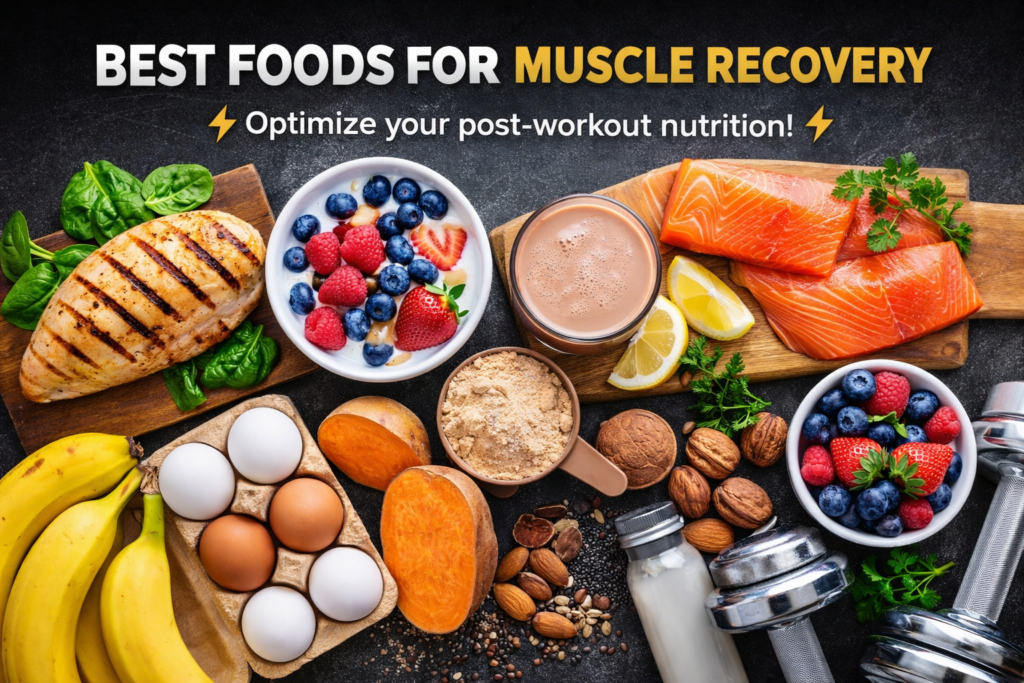
Whether you’re a professional athlete, a fitness enthusiast, or someone who enjoys regular workouts, muscle recovery is an essential part of achieving your fitness goals. Exercise creates tiny tears in muscle fibers, and recovery is the process through which these fibers repair and become stronger. Proper nutrition plays a vital role in this process. Eating the right foods after a workout can help reduce soreness, replenish energy stores, and support muscle growth.
In this blog, we’ll explore some of the best foods for muscle recovery and how they can help you perform at your best.
Why Muscle Recovery Matters
When you exercise, especially during strength training or intense cardio sessions, your muscles experience stress. Without proper recovery, you may experience prolonged soreness, fatigue, reduced performance, and an increased risk of injury. Recovery allows your muscles to rebuild, replenish glycogen stores, and prepare for your next workout.
A balanced diet rich in protein, carbohydrates, healthy fats, vitamins, and minerals is essential for effective recovery.
1. Eggs
Eggs are one of the best sources of high-quality protein. They contain all nine essential amino acids required for muscle repair and growth. The amino acid leucine, found in abundance in eggs, is particularly important for stimulating muscle protein synthesis.
Additionally, eggs provide vitamins B12 and D, which support energy production and overall health. Consuming eggs after a workout can help accelerate muscle recovery and promote lean muscle development.
2. Chicken Breast
Chicken breast is a favorite among athletes and bodybuilders for good reason. It is rich in lean protein and contains minimal fat. Protein helps repair damaged muscle tissue and supports muscle growth after exercise.
A serving of grilled chicken combined with vegetables and whole grains makes an excellent post-workout meal that supports recovery and replenishes nutrients.
3. Salmon
Salmon is packed with high-quality protein and omega-3 fatty acids. Omega-3s help reduce inflammation caused by intense exercise, which can decrease muscle soreness and improve recovery time.
Salmon also contains vitamin D and potassium, both of which contribute to muscle function and overall health. Including salmon in your weekly diet can support faster recovery and better athletic performance.
4. Greek Yogurt
Greek yogurt is a recovery powerhouse because it contains both fast-digesting whey protein and slow-digesting casein protein. This combination provides immediate amino acids to the muscles while continuing to support recovery over several hours.
It also contains probiotics that promote digestive health, helping your body absorb nutrients more effectively. Add fruits, nuts, or honey for a nutritious post-workout snack.
5. Bananas
Bananas are rich in carbohydrates and potassium, making them an ideal recovery food. Carbohydrates replenish glycogen stores that become depleted during exercise, while potassium helps maintain proper muscle function and reduces the risk of cramps.
A banana paired with a protein source such as whey protein or Greek yogurt creates an excellent recovery snack.
6. Sweet Potatoes
Sweet potatoes are an excellent source of complex carbohydrates that help restore energy levels after workouts. They are also rich in vitamins A and C, antioxidants that support recovery and reduce oxidative stress.
Because they digest gradually, sweet potatoes provide a steady source of energy and help maintain blood sugar levels throughout the recovery process.
7. Whey Protein
Whey protein is one of the most effective supplements for muscle recovery. It is rapidly absorbed by the body and delivers essential amino acids directly to the muscles. This helps stimulate muscle protein synthesis and accelerate recovery.
A whey protein shake consumed within 30-60 minutes after exercise can significantly enhance muscle repair and growth, especially when combined with carbohydrates.
8. Berries
Blueberries, strawberries, raspberries, and other berries are packed with antioxidants that help combat exercise-induced oxidative stress. These antioxidants reduce inflammation and support the body’s natural recovery processes.
Berries are also rich in vitamins, minerals, and fiber, making them a nutritious addition to smoothies, yogurt bowls, or oatmeal.
9. Nuts and Seeds
Almonds, walnuts, chia seeds, and flaxseeds provide healthy fats, protein, and important minerals such as magnesium. Magnesium supports muscle relaxation and recovery while healthy fats help reduce inflammation.
Adding a handful of nuts or seeds to your meals can provide additional nutrients needed for optimal recovery.
10. Chocolate Milk
Chocolate milk has become a popular recovery drink among athletes because it offers an ideal ratio of carbohydrates to protein. The carbohydrates replenish glycogen stores, while the protein supports muscle repair.
It also provides calcium and electrolytes that aid hydration and muscle function. For many athletes, chocolate milk is a convenient and effective post-workout option.
Stay Hydrated
Nutrition isn’t the only factor in muscle recovery. Proper hydration is equally important. Water helps transport nutrients to muscles, regulate body temperature, and remove waste products. After intense workouts, consider replenishing electrolytes through sports drinks, coconut water, or electrolyte supplements.
Final Thoughts
Muscle recovery is just as important as training itself. By incorporating nutrient-rich foods such as eggs, chicken breast, salmon, Greek yogurt, bananas, sweet potatoes, berries, nuts, and whey protein into your diet, you can enhance recovery, reduce soreness, and support muscle growth.
Remember that consistency is key. Pair a balanced recovery diet with adequate sleep, hydration, and proper training to achieve the best results. Whether you’re aiming to build muscle, improve performance, or simply stay active, these recovery foods can help you reach your fitness goals faster and more effectively.