
Whether you’re a beginner or an experienced athlete, muscle recovery is just as important as your workout. Many people focus only on lifting heavier weights or running longer distances, but real progress happens during recovery. Your muscles repair, rebuild, and grow stronger after exercise, making recovery a crucial part of any fitness journey.
In this complete guide, you’ll learn why muscle recovery matters, the best recovery techniques, essential foods, supplements, and practical tips to help you recover faster and perform better.
Why Muscle Recovery Is Important
During exercise, especially strength training, tiny tears occur in your muscle fibers. This is completely normal. Your body repairs these micro-tears during rest, making muscles stronger and more resilient.
Proper recovery helps:
- Build lean muscle mass
- Reduce muscle soreness
- Improve strength and endurance
- Prevent injuries
- Boost athletic performance
- Reduce fatigue
- Improve workout consistency
Ignoring recovery can lead to overtraining, poor performance, and increased injury risk.
What Happens During Muscle Recovery?
Recovery is your body’s natural healing process after physical activity. It involves several important steps:
1. Muscle Repair
Damaged muscle fibers are repaired using protein, creating stronger muscles than before.
2. Glycogen Replenishment
Exercise uses stored carbohydrates (glycogen) for energy. Recovery restores these energy reserves.
3. Reduced Inflammation
A small amount of inflammation is normal after workouts. Proper recovery helps control excessive inflammation.
4. Hormonal Balance
Recovery supports the release of growth hormone and testosterone, which play important roles in muscle growth.
Common Signs Your Muscles Need Recovery
Watch for these warning signs:
- Persistent muscle soreness
- Constant fatigue
- Decreased workout performance
- Poor sleep quality
- Lack of motivation
- Joint pain
- Increased resting heart rate
If these symptoms continue, your body may need additional recovery time.
Best Ways to Recover After a Workout
1. Prioritize Quality Sleep
Sleep is the most powerful recovery tool available.
Aim for:
- 7–9 hours every night
- Consistent sleep schedule
- Dark and cool bedroom
- Avoid screens before bedtime
During deep sleep, your body releases growth hormone that repairs muscle tissue.
2. Eat Enough Protein
Protein provides amino acids that rebuild damaged muscles.
Good protein sources include:
- Chicken breast
- Eggs
- Fish
- Greek yogurt
- Cottage cheese
- Lentils
- Tofu
- Whey protein
Aim for 20–40 grams of protein after training depending on your body size.
3. Replenish Carbohydrates
Carbohydrates restore muscle glycogen used during exercise.
Healthy carbohydrate choices include:
- Brown rice
- Oats
- Sweet potatoes
- Bananas
- Fruits
- Whole wheat bread
- Quinoa
A combination of protein and carbohydrates works best after workouts.
4. Stay Hydrated
Sweating causes water and electrolyte loss.
Drink:
- Water throughout the day
- Electrolyte drinks after intense workouts
- Coconut water for natural electrolytes
Even mild dehydration slows recovery.
5. Stretch After Exercise
Gentle stretching improves flexibility and reduces stiffness.
Spend 5–10 minutes stretching:
- Hamstrings
- Quads
- Chest
- Shoulders
- Back
- Hip flexors
Avoid aggressive stretching immediately after intense workouts.
6. Active Recovery
Complete rest isn’t always necessary.
Light activities improve blood circulation without stressing muscles:
- Walking
- Cycling
- Swimming
- Yoga
- Mobility exercises
Active recovery helps remove metabolic waste products more efficiently.
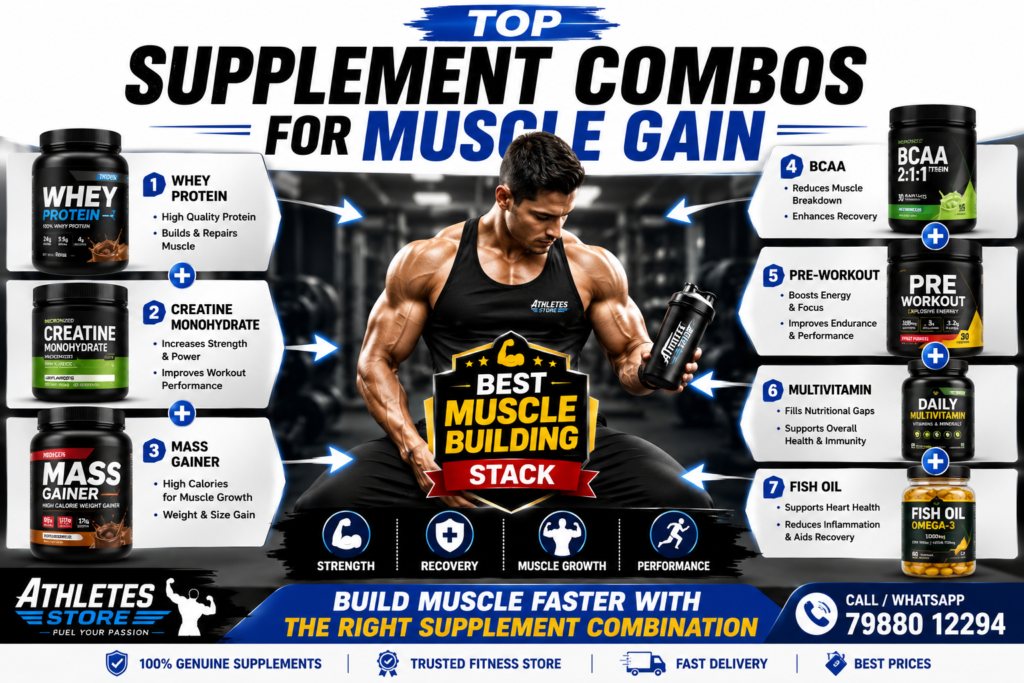
Best Supplements for Muscle Recovery
While whole foods should come first, supplements can support recovery.
Whey Protein
Provides fast-digesting protein for muscle repair.
Best time:
Within one hour after exercise.
Creatine Monohydrate
Benefits include:
- Faster recovery
- Improved strength
- Better muscle hydration
- Increased workout performance
Take 3–5 grams daily.
BCAAs
Branched-Chain Amino Acids may reduce muscle soreness during intense training, especially if training fasted.
Glutamine
Supports muscle recovery and immune function, although benefits vary among individuals.
Omega-3 Fish Oil
Helps reduce inflammation and supports joint health.
Magnesium
Supports muscle relaxation, better sleep, and recovery.
Best Foods for Muscle Recovery
Fill your plate with nutrient-rich foods:
- Salmon
- Eggs
- Chicken
- Turkey
- Lean beef
- Greek yogurt
- Cottage cheese
- Spinach
- Broccoli
- Blueberries
- Bananas
- Sweet potatoes
- Brown rice
- Oats
- Nuts and seeds
A colorful diet provides antioxidants that help reduce exercise-related stress.
Foods to Avoid After Exercise
Limit:
- Excess alcohol
- Sugary drinks
- Highly processed fast food
- Deep-fried foods
- Excessive sweets
These foods may slow recovery and reduce training progress.
Recovery Techniques Used by Athletes
Professional athletes often use advanced recovery methods:
Foam Rolling
Helps reduce muscle tightness and improve flexibility.
Massage
Improves circulation and decreases muscle stiffness.
Ice Baths
Can reduce soreness after very intense exercise.
Compression Clothing
May improve blood flow and reduce swelling.
Contrast Therapy
Alternating hot and cold water may enhance circulation and recovery.
How Long Do Muscles Need to Recover?
Recovery depends on workout intensity.
Typical recovery times:
- Light workout: 24 hours
- Moderate strength training: 24–48 hours
- Heavy lifting: 48–72 hours
- Intense endurance events: Several days
Training the same muscle group every day may limit muscle growth.
Mistakes That Slow Recovery
Avoid these common mistakes:
- Skipping sleep
- Not eating enough protein
- Poor hydration
- Overtraining
- Ignoring soreness
- Skipping rest days
- Poor workout technique
- Inconsistent nutrition
Correcting these habits can dramatically improve results.
Sample Post-Workout Recovery Routine
Here’s a simple recovery plan:
- Finish workout with light stretching.
- Drink plenty of water.
- Consume a protein and carbohydrate meal within one hour.
- Foam roll tight muscles for 10 minutes.
- Take a short walk if feeling stiff.
- Sleep at least 7–9 hours.
- Rest or perform active recovery the next day if needed.
Following this routine consistently can improve muscle growth and reduce soreness.
Final Thoughts
Muscle recovery is the foundation of long-term fitness success. Your workouts create the stimulus, but recovery is where the real transformation happens. By prioritizing quality sleep, balanced nutrition, hydration, active recovery, and smart supplementation, you can reduce soreness, improve performance, and build stronger muscles over time.
Remember, fitness is not just about training harder—it’s about recovering smarter. Treat recovery as an essential part of your routine, and you’ll enjoy better strength, improved endurance, fewer injuries, and faster progress toward your fitness goals.